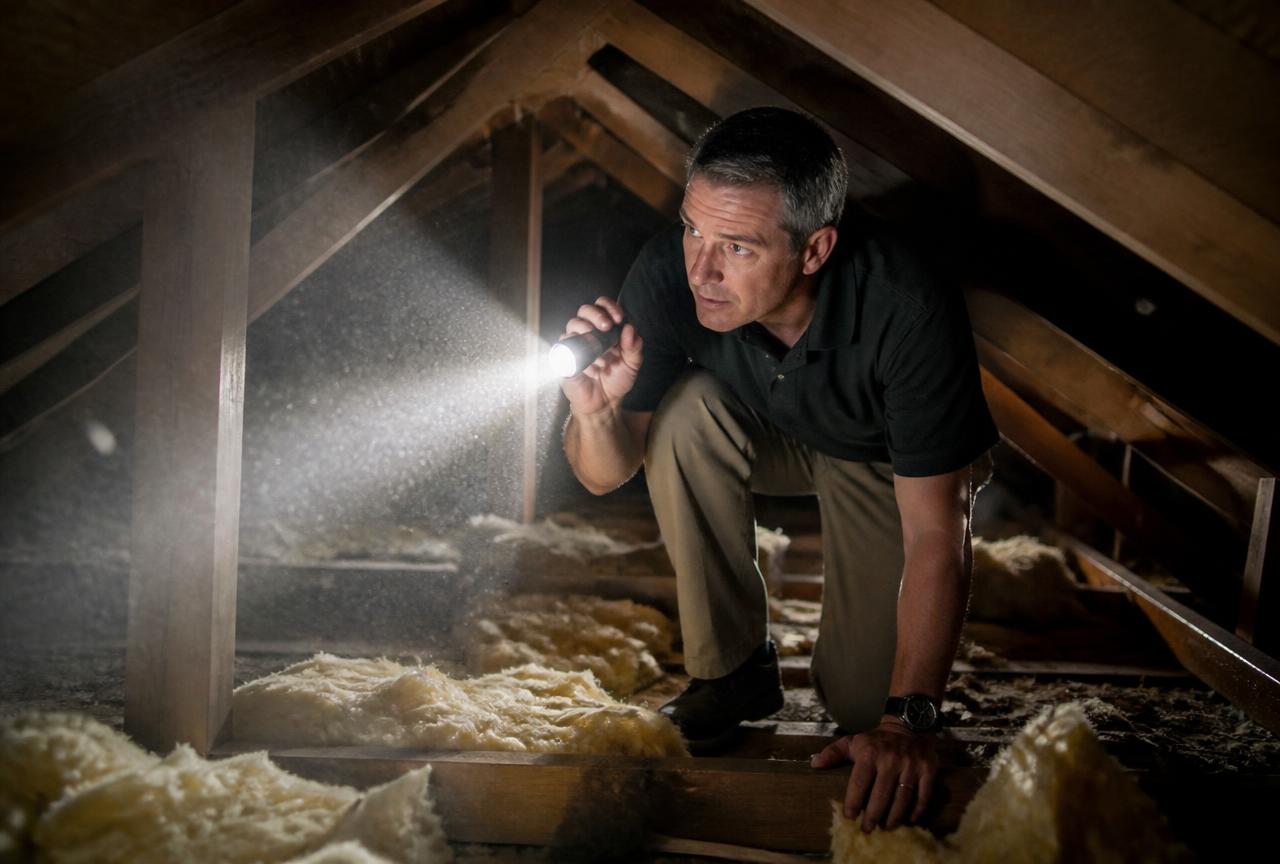
AI New York Property Disclosure Statement
Get New York disclosure statement - just enter property history, known issues.
AI New York Property Disclosure Statement
This document produces a complete New York Property Condition Disclosure Statement (PCDS) compliant with the New York Property Condition Disclosure Act (PCDA), Real Property Law (RPL) §§ 462, 465.
Under the PCDA, a seller of residential real property improved by a one- to four-family dwelling must deliver a completed and signed Property Condition Disclosure Statement to the buyer prior to the signing of a binding contract of sale. In lieu of providing the statement, the seller may credit the buyer the sum of five hundred dollars ($500) at closing.
The disclosure is intended to put the buyer on notice of known material defects and conditions. It does not replace the buyer's obligation to conduct independent inspections and due diligence. Sellers must answer honestly based on actual knowledge; they are not required to conduct new investigations or tests.
Federal law also requires lead-based paint disclosure and pamphlet delivery for target housing built before 1978 (Residential Lead-Based Paint Hazard Reduction Act, 42 U.S.C. § 4852d)., -
PROPERTY IDENTIFICATION
Property Address: [[Full Street Address]], [[City]], New York [[ZIP Code]]
Tax Map / Parcel ID: [[Tax ID or Section-Block-Lot]]
Seller(s): [[Seller Full Legal Name(s)]]
Buyer(s): [[Buyer Full Legal Name(s)]]
Date of Statement: [[Date of Disclosure Statement]]
Type of Property: [[Single-family / Two-family / Three-family / Four-family dwelling]], -
SELLER'S DISCLOSURE OBLIGATION NOTICE
Pursuant to RPL § 462, the seller of a one- to four-family residential dwelling must provide this completed disclosure statement or credit the buyer $500 at closing. This statement discloses the seller's actual knowledge of the condition of the property as of the date signed. It is not a warranty and does not create any new liability beyond what the law already imposes for fraud or misrepresentation.
The buyer is strongly advised to have the property inspected by qualified professionals and to review all available records, permits, surveys, and environmental reports., -
DISCLOSURE QUESTIONS
Answer each question based on your actual knowledge. If you do not know the answer or the condition does not apply, indicate "Unknown" or "N/A". Provide additional explanation in the comments section where indicated.
1. Environmental Hazards and Conditions
a. Are you aware of any hazardous substances on or affecting the property (including but not limited to asbestos, lead paint, radon, mold, underground storage tanks, or chemical contamination)?
[[Yes / No / Unknown]]
b. Has the property ever been tested for radon, asbestos, mold, or other environmental hazards?
[[Yes / No]] Results: [[Describe results or attach reports]]
c. Is the property located in a flood zone, floodway, or area subject to flooding, drainage problems, or coastal erosion?
[[Yes / No / Unknown]] Flood insurance required or in effect? [[Yes / No]]
d. Are there any known or suspected wetlands, protected areas, or environmental restrictions on the property?
[[Yes / No]]
Comments / Details: [[Provide known details, dates, reports]]
2. Structural Condition and Foundation
a. Are you aware of any structural defects, cracks in foundation or walls, settling, shifting, or movement of the structure?
[[Yes / No]]
b. Has the property experienced any water intrusion, leakage, or damage to the foundation, basement, or crawl space?
[[Yes / No]]
c. Are there any known repairs or reinforcements made to the structure, foundation, or load-bearing elements?
[[Yes / No]] Details: [[ ]]
3. Roof, Attic, and Exterior
a. What is the approximate age of the roof and what materials are used? [[Roof age and material]]
b. Are you aware of any leaks, missing shingles, damaged flashing, or other roof problems?
[[Yes / No]]
c. Has the roof been replaced or repaired in the last [[X]] years? Details: [[ ]]
d. Are you aware of any problems with gutters, downspouts, siding, windows, or exterior doors?
[[Yes / No]]
4. Heating, Ventilation, Air Conditioning (HVAC), Plumbing, and Electrical
a. Type of heating system: [[Forced air / Hot water / Steam / Electric / Other]] Age: [[ ]]
b. Type of cooling system: [[Central AC / Window units / None]] Age: [[ ]]
c. Are you aware of any problems with the heating, cooling, or ventilation systems?
[[Yes / No]]
d. Plumbing system type and known issues (galvanized, copper, PVC, polybutylene, etc.): [[ ]]
e. Are you aware of any plumbing leaks, low pressure, sewer backups, or septic system problems?
[[Yes / No]]
f. Electrical system: [[Fuses / Circuit breakers]] Known issues or aluminum wiring? [[ ]]
g. Are you aware of any problems with the electrical system, outlets, or service capacity?
[[Yes / No]]
5. Water Supply, Sewage, and Fuel Systems
a. Water supply source: [[Municipal / Well / Other]] Any known issues with quality, pressure, or quantity? [[ ]]
b. Sewage disposal: [[Municipal sewer / Septic system]] Age and last service: [[ ]]
c. Fuel source for heating/hot water: [[Natural gas / Oil / Propane / Electric]] Underground or above-ground tank? [[ ]]
d. Are you aware of any problems with the water, sewer, or fuel systems (including leaking tanks)?
[[Yes / No]]
6. Asbestos, Mold, Lead Paint, and Other Interior Conditions
a. Is there any known asbestos-containing material in the property (flooring, insulation, pipe wrapping, etc.)?
[[Yes / No / Unknown]]
b. Have you observed or been informed of any mold or moisture problems in the interior?
[[Yes / No]]
c. For properties built before 1978: Has the required federal lead-based paint disclosure and EPA pamphlet been or will be provided?
[[Yes / No / N/A (post-1977)]]
7. Legal and Title Matters
a. Are you aware of any pending or threatened lawsuits, claims, or administrative actions affecting the property?
[[Yes / No]] Description: [[ ]]
b. Are there any easements, encroachments, boundary disputes, or shared driveway or well agreements?
[[Yes / No]]
c. Are there any violations of zoning, building, health, or fire codes?
[[Yes / No]]
d. Has any work been performed on the property without required permits?
[[Yes / No]]
8. Homeowners Association / Condominium / Common Interest Community
a. Is the property subject to a homeowners association, condominium, or similar governing body?
[[Yes / No]]
b. Are there any current or pending special assessments, dues increases, or known capital projects?
[[Yes / No]] Details: [[ ]]
c. Are you current on all HOA/condo fees and assessments?
[[Yes / No]]
9. Other Known Defects or Conditions
a. Are you aware of any other material defects or conditions that would be important to a reasonable buyer (including but not limited to pest infestation/termites, prior fires/floods, insurance claims, or neighborhood nuisances)?
[[Yes / No]]
Full description of any "Yes" answers above or additional material facts:
[[Seller must list all known material defects and conditions here or on attached schedule]], -
SELLER'S CERTIFICATION
The undersigned seller(s) certify that the information in this Property Condition Disclosure Statement is true and complete to the best of the seller's actual knowledge as of the date signed. The seller acknowledges that this disclosure is being made in compliance with RPL §§ 462, 465 and that providing false information may subject the seller to liability.
Seller 1 Signature: ____________________________________________ Date: _______
Print Name: [[Seller 1 Name]]
Seller 2 Signature (if applicable): ____________________________________________ Date: _______
Print Name: [[Seller 2 Name]], -
BUYER'S ACKNOWLEDGMENT
The undersigned buyer(s) acknowledge receipt of this completed Property Condition Disclosure Statement (or election of the $500 credit in lieu of the statement) prior to signing a contract of sale. The buyer understands that this statement is not a warranty and that the buyer has the right and is encouraged to conduct independent inspections.
Buyer 1 Signature: ____________________________________________ Date: _______
Print Name: [[Buyer 1 Name]]
Buyer 2 Signature: ____________________________________________ Date: _______
Print Name: [[Buyer 2 Name]], -
LEAD-BASED PAINT DISCLOSURE (FEDERAL, PRE-1978 PROPERTIES)
For residential real property built before 1978:
Seller discloses the presence of known lead-based paint and/or lead-based paint hazards in the housing (known paint or hazards): [[None known / Describe known information]].
Records and reports available to the seller pertaining to lead-based paint and/or lead-based paint hazards: [[List or "None available"]].
Buyer acknowledges receipt of the EPA pamphlet "Protect Your Family From Lead in Your Home" and the required disclosure.
Signatures for Lead Disclosure (required for pre-1978):
Seller(s): ______________________________ Date: _______
Buyer(s): ______________________________ Date: _______, -
ADDITIONAL SELLER COMMENTS / ATTACHMENTS
[[Use this space or attach schedules, inspection reports, repair invoices, environmental reports, or other relevant documents. List attachments here: ]], -
DISCLAIMER AND STATUTORY REFERENCES
This is a sample form for use in New York residential real estate transactions involving one- to four-family dwellings. It is modeled on the requirements of the Property Condition Disclosure Act (RPL §§ 462, 465). It is not a substitute for legal advice. Sellers and buyers should consult their attorneys, review the actual statute, and consider current agency guidance. Disclosure obligations may be supplemented by local laws or contractual requirements.
The $500 credit option is in lieu of delivery of the statement and does not relieve the seller of the duty to answer questions truthfully if the statement is requested or if asked directly.
Key sources (as of 2026-06):
- New York Real Property Law §§ 462, 463, 464, 465 (Property Condition Disclosure Act)
- Federal Residential Lead-Based Paint Hazard Reduction Act (42 U.S.C. § 4852d) and implementing regulations
*New York Property Disclosure Statement template, not professional legal advice. Verify against current statutes and consult counsel and qualified inspectors.*
Illustrative preview - your actual result is built from your inputs.
How it works.
New York Property Disclosure Statement: provide property history, known issues and get a complete new York disclosure statement in minutes - including state-mandated disclosure items, materiality rules, exemptions. Free AI workflow, no signup required to preview.
 Real Estate Docs
Alabama property disclosure statement: caveat-emptor framing, known-latent-defect/fraud exceptions, lead-paint disclosure, voluntary item checklist, signatures.
What good looks like.
What it must include
- 01Alabama's caveat-emptor backdrop - Alabama does NOT mandate a standard residential seller property-disclosure form for most sales (buyer-beware), with key exceptions: seller must disclose known latent defects affecting health/safety, must answer truthfully if asked, and cannot conceal/misrepresent
- 02the federal lead-based-paint disclosure for pre-1978
- 03common voluntary disclosure items (roof, systems, water/septic, flooding, structural, environmental)
- 04statement that buyer should inspect
- 05HOA/assessment items
- 06signatures and date
Signals of expertise
- ★Knows Alabama follows caveat emptor (no mandatory TDS like California) and frames the duty around known latent material defects, fraud/concealment, and the federal lead-paint requirement
- ★recommends inspection and a voluntary disclosure for liability protection
Common mistakes
- ×Asserting Alabama requires a mandatory disclosure form (it largely doesn't)
- ×omitting the latent-defect/fraud exceptions or lead-paint
- ×importing California-style mandates
 Underwriting
 Numbers that hold
 Whatever the market
More in Real Estate Docs.
Buyer Representation Agreement
Get buyer representation agreement - just enter buyer, search criteria, compensation.
Purchase & Sale Agreement
Get purchase agreement document - just enter property, price, contingencies.
Exclusive Listing Agreement
Get listing agreement document - just enter property, commission, term.
Get your ready-to-use new york disclosure statement in minutes.
Answer a few questions and download a ready-to-serve document today.